- EUDR is already impacting Indonesian rubber exporters;
- The Commission plays semantics in statements on EUDR compliance;
- NGO zero-deforestation initiatives tackle the wrong problem
EUDR already impacting Indonesian exports; Commission gives nonsense answers
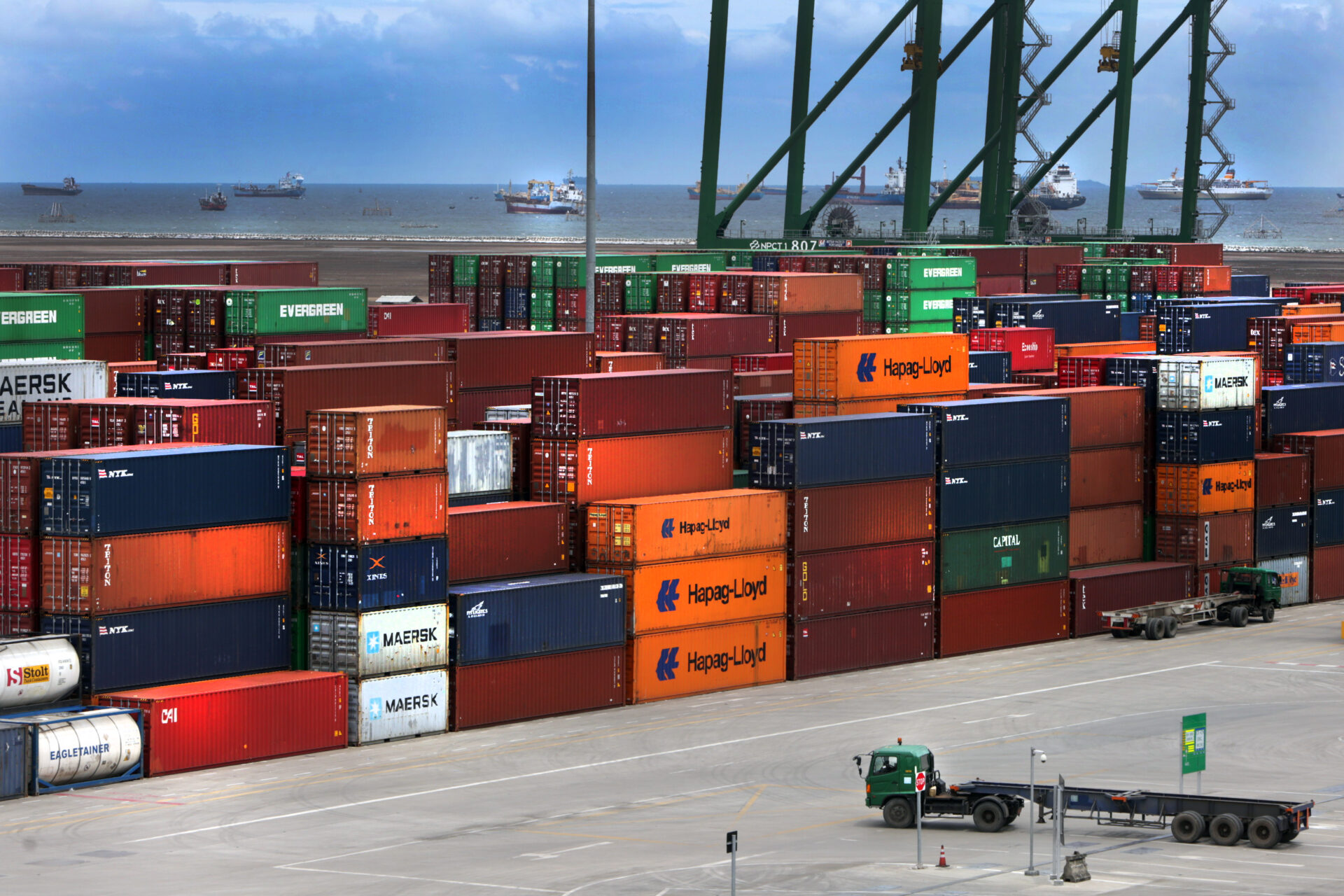
Rubber producers in Sumatra have already noted downward pressure on exports to the EU from Indonesia because of the EUDR.
Executive Secretary of the Association of Indonesian Rubber Companies (Gapkindo) Edy Irwansyah recently noted a drop in export volumes from Indonesia to countries where EUDR compliance will be problematic going into 2025.
“Exports for June shipments are almost 100% based on long-term contracts (LTC), where the majority is rubber that follows European anti-deforestation regulations known as EUDR … Difficulty for rubber processing factories to comply with EUDR regulations means that export volumes are difficult to recover.”
This comes after a broadside from the American Forest and Paper Association (AF&PA), which has reiterated its call for a delay. In an interview with Bloomberg, AF&PA noted that the lack of guidance from the Commission means that shipments for pulp – used to manufacture sanitary products – may be delayed.
Contracts for those exports are often made well in advance, and as with palm oil, exporters are preparing shipments for delivery in the new year.
In the same piece, an EU official stated:
“The EUDR mandates that companies document the geolocation of all relevant plots of land for commodities traded in bulk,” said Adalbert Jahnz, a spokesman for the European Commission. “This requirement is not about tracing each individual wood fibre to a single plot.”
But those with any understanding of the EUDR are acutely aware that this is precisely what the EUDR requires. Commodities that are imported in bulk still literally have to be able to account for every fibre in a particular shipment, and that each single plot also needs to be accounted for.
The difference in what the Commission official describes here is basically semantic.
It’s well understood that the Commission carefully manages the remarks it makes to media organisations. That the official made this comment – and it was likely approved – displays either a degree of ignorance about the EUDR, or the comment is deliberately deceptive.
The comments were made after US paper companies have highlighted potential supply disruptions for pulp supplies that are used to make diapers and other sanitary products.
China’s bigger threat
Up until this point, China has been relatively quiet on the EUDR. This is despite the fact that the largest quantity of exports affected by the EUDR come from China. These are mostly wood and paper products.
China is responsible for around 47 per cent of furniture exports to the EU and around 41 per cent of containerboard exports.
The problem, however, is that Chinese timber producers will not be able to hand over geolocation data. According to Woodcentral:
“Under Chinese law, geographic information is restricted to entities with special authorization from the administrative department for surveying and mapping under the State Council – and given the current geopolitical climate, it seems unfathomable that China will provide the EUDR authorities with this data.”
As with many other commodities this would mean a segregation of supply chains; China may be able to continue providing exports to the EU – but it’s unlikely to contain Chinese timber.
Misguided advocacy
As we pointed out last week, the EU’s own efforts to sell the EUDR in palm-producing countries have run into the reality of global supply chains.
NGO efforts in the same field that seek to reduce or prevent deforestation among smallholders are similarly tackling the wrong problem.
A new toolkit backed by Greenpeace and other NGOs is a case in point. The toolkit aims to essentially make zero deforestation the norm for smallholders. Although there might be fundamental disagreements in the approach – e.g. whether it benefits palm oil smallholders or not – they don’t actually meaningfully assist with regulatory compliance.
And linking this to the EUDR isn’t tackling the tougher problems with the EUDR, which take place further downstream.
Commission officials continue to use vague language about how this type of certification can assist smallholders:
“Often we hear that Indonesia is not ready and smallholders will be left out of the supply chain, but the reality is they’re already left out of the rest of the supply chain so we want to do our best to ensure they’re actually implementing practices that can get them to export to the EU market.”
Now, compare this with the commercial reality of a producer like Wilmar. They’ve already said that they’re going to exclude their existing smallholders from exporting to the European market because compliance with the EUDR is too complicated. They’re going to keep them as part of existing supply chains going to India, China and elsewhere.
This is a perverse outcome that palm oil producers have been warning the EU about for years.